Vanguard Short-Term Bond ETF (BSV)
$76.65
Quotes are delayed by 15 minutes.
1D
1W
1M
3M
6M
YTD
1Y
2Y
5Y
ALL
Key data on BSV
AUM
$45.50B
P/E ratio
16.2
Dividend yield
4.0313%
Expense ratio
0.03%
Beta
0.089868
Price on BSV
Previous close
$76.77
Today's open
$76.68
Day's range
$76.64 - $76.69
52 week range
$76.62 - $79.32
Popular funds like BSV
BSV industries and sectors
Bonds
Domestic
News on BSV
Short-Term Bond ETFs to Gain as Fed Hikes Interest Rates
ETFs like SHY could benefit as the Fed hikes rates, with short-term debt offering rising yields and limited duration risk.

Zacks Investment Research • Sep 17, 2026

Your Default Bond Fund Pays 4%. So Does BSV, Without the 30-Year Risk You Never Agreed To
The default bond allocation in most target-date funds, robo portfolios, and 401(k) menus is Vanguard Total Bond Market ETF (NYSEARCA:BND) or its mutual fund equivalent.

24/7 Wall Street • Aug 15, 2026

Which Is the Better Vanguard Short-Term Bond ETF for Your Tax Bracket: BSV or VTES?
Vanguard Short-Term Bond ETF features a lower expense ratio and a larger assets under management (AUM) than Vanguard Short-Term Tax-Exempt Bond ETF. Vanguard Short-Term Tax-Exempt Bond ETF provides federal tax-exempt income, whereas Vanguard Short-Term Bond ETF targets taxable government and corporate securities.

The Motley Fool • Aug 12, 2026

Which Is the Better Vanguard Short-Term Bond ETF, Corporate Bond-Focused VCSH or BSV's Treasury Emphasis?
The Vanguard Short-Term Corporate Bond ETF and Vanguard Short-Term Bond ETF both offer extremely low cost structures with 0.03% expense ratios. The Vanguard Short-Term Corporate Bond ETF provides a higher dividend yield but has experienced a larger maximum drawdown over the last five years.
The Motley Fool • Jul 26, 2026

IGSB vs. BSV: Should You Go All-In on Corporate Debt or Diversify With Government Bonds?
Vanguard Short-Term Bond ETF offers a lower expense ratio but a lower dividend yield than iShares 1-5 Year Investment Grade Corporate Bond ETF. iShares 1-5 Year Investment Grade Corporate Bond ETF delivered a 3.90% total return over the last year, outperforming the Vanguard fund.
The Motley Fool • Jul 24, 2026

The Defensive Shift: This Week's Top 10 ETF Inflows
The ETF market saw a push in capital away from the concentrated U.S. tech sector to defensive broad market exposure, short duration bonds, and commodities. The shift in flows is amplified by the semiconductor market pullback, interest rate uncertainty, and ongoing geopolitical tensions in the Middle East.

ETF Trends • Jul 24, 2026

Short-Term Income ETFs: How Do Vanguard Short-Term Bond ETF and Schwab Treasury ETF Compare?
Vanguard Short-Term Bond ETF provides exposure to corporate and international bonds whereas Schwab Short-Term U.S. Treasury ETF sticks strictly to government debt Both funds share an ultra-low 0.03% expense ratio but the Vanguard fund manages nearly $70.0 billion in assets compared to $12.7 billion for the Schwab fund Schwab Short-Term U.S. Treasury ETF has historically exhibited lower volatility and a shallower maximum drawdown than its Vanguard counterpart
The Motley Fool • Jul 21, 2026

Vanguard Short-Term Bond ETF vs Tax-Exempt ETF Key Differences
Vanguard Short-Term Bond ETF offers a lower expense ratio and higher trailing dividend yield than Vanguard Short-Term Tax-Exempt Bond ETF. Vanguard Short-Term Bond ETF manages significantly more assets and has a longer operational history than the newer Vanguard Short-Term Tax-Exempt Bond ETF.
The Motley Fool • Jun 30, 2026

BSV: Simple Short-Term Bond ETF, But Better Choices Out There
A reader asked for my thoughts on BSV. BSV focuses on high-quality, shorter-term treasuries, with sizable investments in quality corporate bonds. I'm seeing somewhat weak fundamentals, without any significant advantages or benefits. Overall risk-return is below-average.

Seeking Alpha • Jun 23, 2026

BSV vs. VTES: Which Vanguard Short-Term Bond Fund Is the Better Buy?
Vanguard Short-Term Bond ETF offers a lower expense ratio and a higher trailing-12-month distribution yield than Vanguard Short-Term Tax-Exempt Bond ETF Vanguard Short-Term Tax-Exempt Bond ETF targets income exempt from federal taxes and the alternative minimum tax whereas Vanguard Short-Term Bond ETF provides fully taxable income Vanguard Short-Term Bond ETF is a much larger fund with a longer track record having launched in 2007 compared to the 2023 launch of Vanguard Short-Term Tax-Exempt Bond ETF
The Motley Fool • Jun 18, 2026

¹ Disclosures
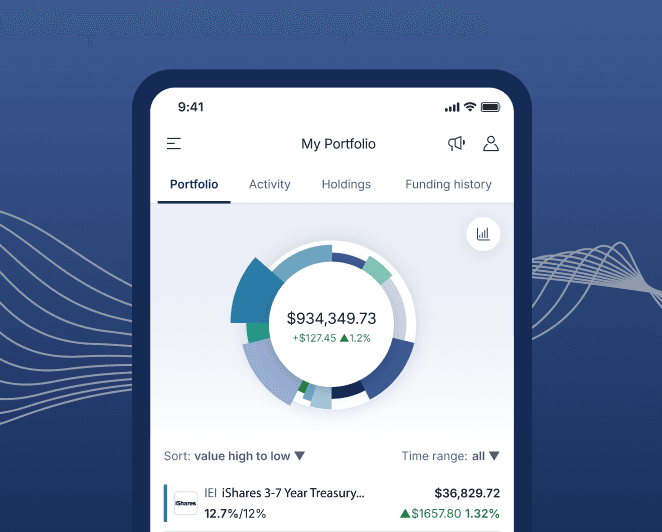
Invest in Vanguard Short-Term Bond ETF
Open an M1 investment account to buy and sell Vanguard Short-Term Bond ETF commission-free¹. Build wealth for the long term using automated trading and transfers.