Fidelity Investment Grade Bond ETF (FIGB)
$41.78
Quotes are delayed by 15 minutes.
1D
1W
1M
3M
6M
YTD
1Y
2Y
5Y
ALL
Key data on FIGB
AUM
$646839172
P/E ratio
11.6
Dividend yield
4.4934%
Expense ratio
0.36%
Beta
0.253697
Price on FIGB
Previous close
$41.61
Today's open
$41.75
Day's range
$41.62 - $41.78
52 week range
$41.50 - $44.20
Popular funds like FIGB
FIGB industries and sectors
Bonds
Domestic
News on FIGB
Vanguard VCIT vs Fidelity FIGB: Which Bond ETF Is the Better Choice for Investors in 2026?
Vanguard Intermediate-Term Corporate Bond ETF features a significantly lower expense ratio of 0.03% compared to 0.36% for the Fidelity fund. Fidelity Investment Grade Bond ETF has experienced a smaller maximum drawdown and lower beta, suggesting a more conservative risk profile.

The Motley Fool • Aug 20, 2026
Vanguard Total Bond or Fidelity Investment Grade Bond: Which U.S. Bond ETF Offers Better Value
Vanguard Total Bond Market ETF offers a significantly lower expense ratio and higher assets under management than Fidelity Investment Grade Bond ETF Both funds show similar risk profiles with identical beta values and nearly the same five-year maximum drawdowns The Fidelity offering is more concentrated, with about 850 holdings compared to more than 11,000 for Vanguard
The Motley Fool • Jun 26, 2026

3 Top US ETFs for 2026 and Beyond
Solid portfolio additions for long-term investors.

Morningstar • Jun 25, 2026

Fidelity's FIGB or Vanguard's VGIT: Which Bond ETF Is the Better Buy Right Now?
Vanguard Intermediate-Term Treasury ETF offers a significantly lower expense ratio of 0.03% compared to the 0.36% charged by Fidelity Investment Grade Bond ETF. Fidelity Investment Grade Bond ETF provides broader exposure with 180 holdings and a higher trailing-12-month distribution yield of 4.1% than the Vanguard fund.
The Motley Fool • Jun 20, 2026

Vanguard's VCIT or Fidelity's FIGB: Which Bond ETF Is the Better Buy Right Now?
Vanguard Intermediate-Term Corporate Bond ETF provides a significantly lower expense ratio of 0.03% compared to the 0.36% charged by Fidelity Investment Grade Bond ETF. Vanguard Intermediate-Term Corporate Bond ETF offers a higher trailing-12-month dividend yield.
The Motley Fool • Jun 16, 2026
FIGB vs. IEI: Fidelity Bond ETF Offers Higher Yield But iShares Treasury Fund Has Lower Fees
Fidelity Investment Grade Bond ETF provides a higher trailing-12-month distribution yield than iShares 3-7 Year Treasury Bond ETF but carries more than double the expense ratio iShares 3-7 Year Treasury Bond ETF focuses exclusively on medium-term government debt while Fidelity Investment Grade Bond ETF diversifies across broader high-grade bond sectors Fidelity Investment Grade Bond ETF has delivered higher recent 1-year returns though iShares 3-7 Year Treasury Bond ETF has shown a slightly better total return over the last 5 years with less downside risk
The Motley Fool • Apr 21, 2026

Which Is the Better Bond ETF, Vanguard's VGIT or Fidelity's FIGB?
The Vanguard Intermediate-Term Treasury ETF provides low-cost exposure to government bonds while the Fidelity Investment Grade Bond ETF offers a diversified mix of high-grade corporate and government debt. The Fidelity Investment Grade Bond ETF generated a higher one-year total return and trailing dividend yield but carries a significantly higher expense ratio and historical drawdown risk.
The Motley Fool • Apr 21, 2026

Better Bond ETF: Fidelity's FIGB vs. iShares' IEI
Fidelity Investment Grade Bond ETF charges a higher expense ratio but delivers a modestly higher yield than iShares 3-7 Year Treasury Bond ETF. FIGB includes a broader mix of investment-grade bonds, resulting in slightly higher risk and a deeper historical drawdown.
The Motley Fool • Apr 12, 2026

Choosing an ETF for Bond Exposure: Fidelity's FIGB vs. Vanguard's VGIT
FIGB charges a much higher expense ratio but offers broader diversification and a slightly higher yield than VGIT. VGIT has experienced a smaller drawdown and remains far more liquid with much greater assets under management.
The Motley Fool • Apr 12, 2026

Ballast a Portfolio With This Investment-Grade Bond ETF
As the market continues to move deeper into the first quarter of 2026, the fixed income landscape calls for more stability. A new U.S. Federal Reserve chairman and ongoing market uncertainty could lead to more volatility ahead.

ETF Trends • Mar 5, 2026

¹ Disclosures
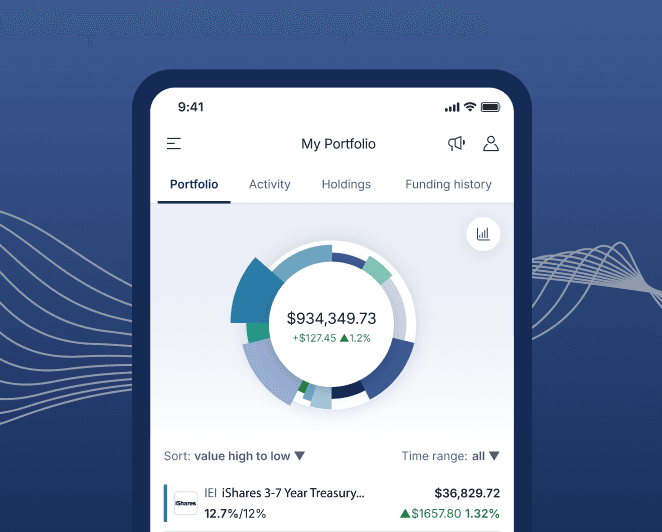
Invest in Fidelity Investment Grade Bond ETF
Open an M1 investment account to buy and sell Fidelity Investment Grade Bond ETF commission-free¹. Build wealth for the long term using automated trading and transfers.