iShares Morningstar Small-Cap Growth ETF (ISCG)
$61.28
Quotes are delayed by 15 minutes.
1D
1W
1M
3M
6M
YTD
1Y
2Y
5Y
ALL
Key data on ISCG
AUM
$955968000
P/E ratio
25
Dividend yield
0.6549%
Expense ratio
0.06%
Beta
1.137467
Price on ISCG
Previous close
$60.89
Today's open
$61.04
Day's range
$61.04 - $61.57
52 week range
$51.65 - $66.50
Popular funds like ISCG
ISCG industries and sectors
Equities
Domestic
Small-Cap
Top holdings in ISCG
OKTA
Okta Inc Class A
1.21%
1.1%
0.71%
ROKU
Roku Inc.
0.68%
NTNX
Nutanix Inc
0.63%
0.63%
0.59%
NDSN
Nordson Corp
0.56%
SMTC
Semtech Corp
0.5%
0.5%
News on ISCG
iShares vs State Street Small-Cap Growth ETF Showdown
SLYG delivered 16.8% returns over one year, while ISCG charged half the expense ratio. Which fund's cost advantage or performance edge matters more for your portfolio?

The Motley Fool • Oct 14, 2026

Better iShares Small-Cap Growth ETF: ISCG vs. IWO
The iShares Morningstar Small-Cap Growth ETF offers a significantly lower expense ratio and higher dividend yield than the iShares Russell 2000 Growth ETF. The iShares Russell 2000 Growth ETF manages a much larger pool of assets but has experienced higher price volatility and a deeper historical maximum drawdown.
The Motley Fool • Oct 2, 2026

Which Growth ETF Is the Better Buy: Vanguard's Large-Cap VUG or iShares' Small-Cap ISCG?
The Vanguard Morningstar Growth ETF (VUG) offers concentrated exposure to large-cap giants with a rock-bottom 0.03% expense ratio. The iShares Morningstar Small-Cap Growth ETF (ISCG) spreads its bets across more than 900 holdings, though it charges slightly higher fees than VUG.
The Motley Fool • Aug 29, 2026
Should iShares Morningstar Small-Cap Growth ETF (ISCG) Be on Your Investing Radar?
Launched on June 28, 2004, the iShares Morningstar Small-Cap Growth ETF (ISCG) is a passively managed exchange traded fund designed to provide a broad exposure to the Small Cap Growth segment of the US equity market.

Zacks Investment Research • Aug 24, 2026

ISCG vs. MGK: Is Small-Cap Growth or Mega-Cap Tech the Better Buy for Investors?
The Vanguard Mega Cap Growth ETF (MGK) focuses on the largest U.S. growth stocks, while the iShares Morningstar Small-Cap Growth ETF (ISCG) targets the small-cap segment of the market. ISCG delivered the higher one-year return, but MGK has produced higher returns over the last five years.
The Motley Fool • Aug 11, 2026
ISCG vs. VOOG: Small-Cap Growth vs. S&P 500 Growth -- Which ETF Is the Better Buy?
The Vanguard S&P 500 Growth ETF (VOOG) focuses on mega-cap technology stocks while the iShares Morningstar Small-Cap Growth ETF (ISCG) provides broad exposure to smaller growth companies. ISCG offers a slightly lower expense ratio compared to VOOG.
The Motley Fool • Jul 24, 2026

ISCG vs. RZG: Which Small-Cap Growth ETF Is the Better Buy for Investors?
The iShares Morningstar Small-Cap Growth ETF (ISCG) charges a lower expense ratio than the Invesco S&P SmallCap 600 Pure Growth ETF (RZG). RZG has delivered higher total returns over the past one- and five-year periods.
The Motley Fool • Jul 13, 2026

Small Cap ETFs from iShares Offer Exciting Growth Opportunities. Is IWO or ISCG the Better Buy?
iShares Morningstar Small-Cap Growth ETF offers a significantly lower expense ratio and higher dividend yield than iShares Russell 2000 Growth ETF iShares Russell 2000 Growth ETF has outperformed over the past year but exhibits higher price volatility and a deeper historical drawdown iShares Russell 2000 Growth ETF maintains a much larger presence in the market with $15.1 billion in assets under management
The Motley Fool • Jun 22, 2026

Small-Cap ETFs: ISCG Boasts Lower Fees and Better Recent Performance, but SLYG Has Greater Liquidity and a Lower Risk Profile
ISCG charges a lower expense ratio and holds more stocks than SLYG ISCG delivered a stronger one-year return but experienced a deeper five-year drawdown Sector allocations differ: ISCG leans further into industrials, while SLYG spreads more evenly across technology, healthcare, and industrials
The Motley Fool • Mar 17, 2026

ISCG vs. VBK: Which ETF Offers Lower Fees, More Liquidity, and Greater Returns?
ISCG holds more stocks than VBK and has a much smaller asset base Both ETFs delivered strong 1-year returns and similar max drawdowns ISCG and VBK are closely matched on cost and yield, with only a minor difference in expense and payout rates
The Motley Fool • Mar 17, 2026

¹ Disclosures
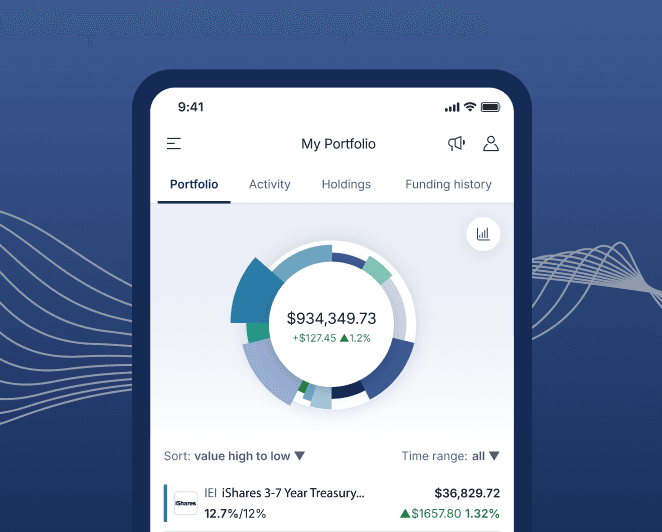
Invest in iShares Morningstar Small-Cap Growth ETF
Open an M1 investment account to buy and sell iShares Morningstar Small-Cap Growth ETF commission-free¹. Build wealth for the long term using automated trading and transfers.