iShares Morningstar Small-Cap Value ETF (ISCV)
$78.13
Quotes are delayed by 15 minutes.
1D
1W
1M
3M
6M
YTD
1Y
2Y
5Y
ALL
Key data on ISCV
AUM
$679718820
P/E ratio
13.3
Dividend yield
1.8172%
Expense ratio
0.06%
Beta
0.989793
Price on ISCV
Previous close
$78.87
Today's open
$78.44
Day's range
$78.07 - $78.46
52 week range
$63.71 - $82.03
Popular funds like ISCV
ISCV industries and sectors
Equities
Domestic
Small-Cap
Top holdings in ISCV
News on ISCV
Should iShares Morningstar Small-Cap Value ETF (ISCV) Be on Your Investing Radar?
Launched on June 28, 2004, the iShares Morningstar Small-Cap Value ETF (ISCV) is a passively managed exchange traded fund designed to provide a broad exposure to the Small Cap Value segment of the US equity market.

Zacks Investment Research • Sep 8, 2026

Small Caps, Big Opportunities: Consider Value Amid Rally
Small-cap equities are winning out against their large-cap counterparts in a classic David versus Goliath ETF battle. After years of mega-cap technology dominance, small-cap equities have delivered investors a historic first half of 2026.

ETF Trends • Aug 17, 2026

ISCV vs. IJJ: Which Value ETF Is the Better Buy Today?
The iShares Morningstar Small-Cap Value ETF (ISCV) carries a lower expense ratio than the iShares S&P Mid-Cap 400 Value ETF (IJJ). IJJ has experienced a modestly lower maximum drawdown over the last five years.

The Motley Fool • Jul 11, 2026

ISCV vs. IWN: Which Small-Cap Value ETF Is the Better Buy?
The iShares Morningstar Small-Cap Value ETF (ISCV) carries a lower expense ratio of 0.06% compared to 0.24% for the iShares Russell 2000 Value ETF (IWN). ISCV's 1.88% dividend yield is higher than IWN's 1.45%.
The Motley Fool • Jun 22, 2026

Should You Buy a Small Cap or Mid Cap ETF? We Take a Look at Two iShares ETFs
iShares Morningstar Small-Cap Value ETF has a significantly lower expense ratio than iShares S&P Mid-Cap 400 Value ETF iShares S&P Mid-Cap 400 Value ETF offers lower volatility and a shallower maximum drawdown over the last five years iShares Morningstar Small-Cap Value ETF holds over 1,000 positions, providing much broader diversification than its mid-cap counterpart
The Motley Fool • Jun 11, 2026

Which Is the Better Small-Cap Value ETF, iShares' ISCV or Vanguard's VBR?
The iShares Morningstar Small-Cap Value ETF delivered a 27.10% total return over the last 12 months, slightly outpacing its Vanguard counterpart. The Vanguard Small-Cap Value ETF maintains a significantly larger scale with $64.9 billion in assets under management compared to $656.6 million for the iShares fund.
The Motley Fool • Jun 10, 2026

ISCV vs. VBR: Which Small Cap Value Approach is Right for Investors?
ISCV carries a nearly identical expense ratio to VBR but holds fewer assets and has wider bid-ask spreads Recent performance and risk metrics are closely matched, though ISCV experienced a slightly deeper drawdown during downturns ISCV tilts more toward financial services and consumer cyclicals, while VBR leans on industrials
The Motley Fool • Mar 17, 2026

Looking for Small-Cap Value? Consider These 2 ETFs
The iShares Morningstar Small-Cap Value ETF (NYSEMKT:ISCV) charges a much lower expense ratio and offers a higher dividend yield than the iShares Russell 2000 Value ETF (NYSEMKT:IWN). IWN delivered a stronger one-year return, but ISCV showed a milder five-year drawdown.
The Motley Fool • Mar 16, 2026

Better iShares ETF: IJJ's Mid-Cap Focus vs. ISCV's Small-Cap Stocks
IJJ holds fewer stocks and focuses on mid-caps, while ISCV targets a much broader small-cap universe. ISCV charges a lower fee and offers a slightly higher yield than IJJ.
The Motley Fool • Feb 13, 2026

SLYV and ISCV Both Offer Small-Cap Value Diversification, but Which One Is the Better Investment?
ISCV charges a lower expense ratio and holds more than twice as many stocks as SLYV. ISCV has delivered higher one-year and five-year total returns, with milder drawdowns and a lower beta.
The Motley Fool • Jan 10, 2026

¹ Disclosures
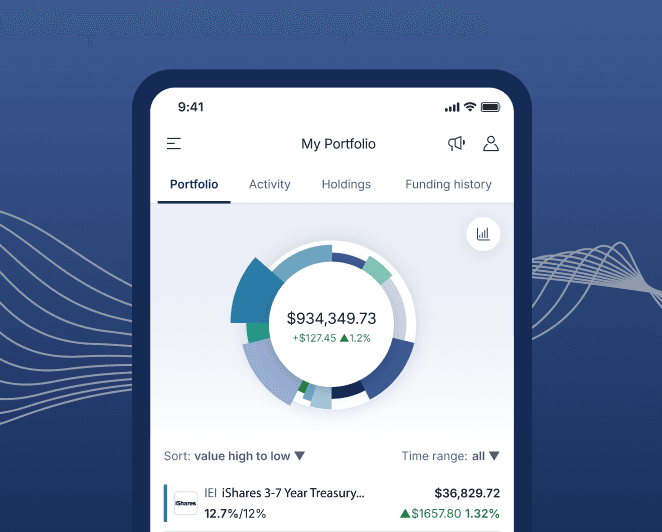
Invest in iShares Morningstar Small-Cap Value ETF
Open an M1 investment account to buy and sell iShares Morningstar Small-Cap Value ETF commission-free¹. Build wealth for the long term using automated trading and transfers.